Beef bone broth is one of those foods that has managed to become both old-fashioned and strangely modern. Long before it appeared in wellness conversations, bone-based broths were a practical way of using parts of the animal that might otherwise be overlooked. You may hear it called beef stock, beef broth, or simply bone broth, although those names are not always used in exactly the same way. The modern version is often associated with collagen, comfort and getting more from an ingredient. Underneath all of that is a simple kitchen tradition, bones, connective tissue and time can produce a liquid with a depth and texture that ordinary meat alone cannot give.
The problem is knowing which bones matter, how much time is enough, and why some broths turn out thin or greasy. This guide clears up those details.
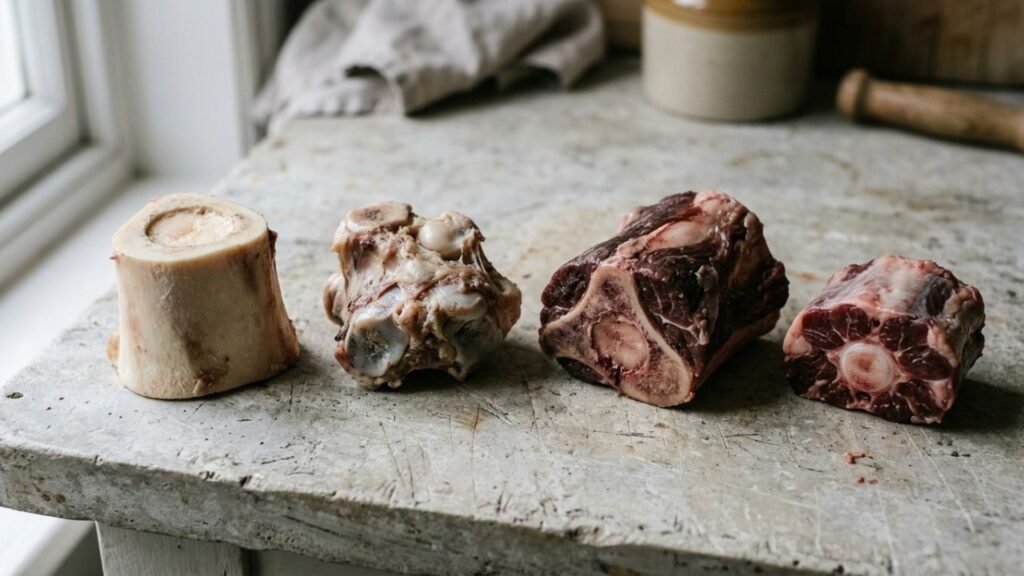
1. The bones are doing different jobs
Not every beef bone brings the same thing to the pot. Marrow bones are rich and fatty, giving broth a fuller character. Joint bones, knuckles and other connective-tissue-rich pieces contribute body as that material breaks down. Meaty bones bring stronger beef flavor.
This is why a pot made entirely from marrow bones can taste rich without having much depth. You have plenty of fat, but not necessarily the balance that makes a broth interesting.
Stop treating “beef bones” as one ingredient. Different bones contribute different qualities, and understanding that makes choosing them much easier.
2. Darker does not always mean better
There is a common expectation surrounding beef broth. The darker it is, the more successful it must be. Not necessarily. A deep brown color usually points toward roasted flavors, while a lighter broth can have a cleaner, more direct beef character. Neither is automatically superior.
People sometimes chase color instead of flavor. A broth can look impressive and still taste flat. Pay attention to what the finished liquid actually does. Does it taste distinctly of beef? Does it have enough body? Does the flavor linger?
Those questions tell you more than its color.
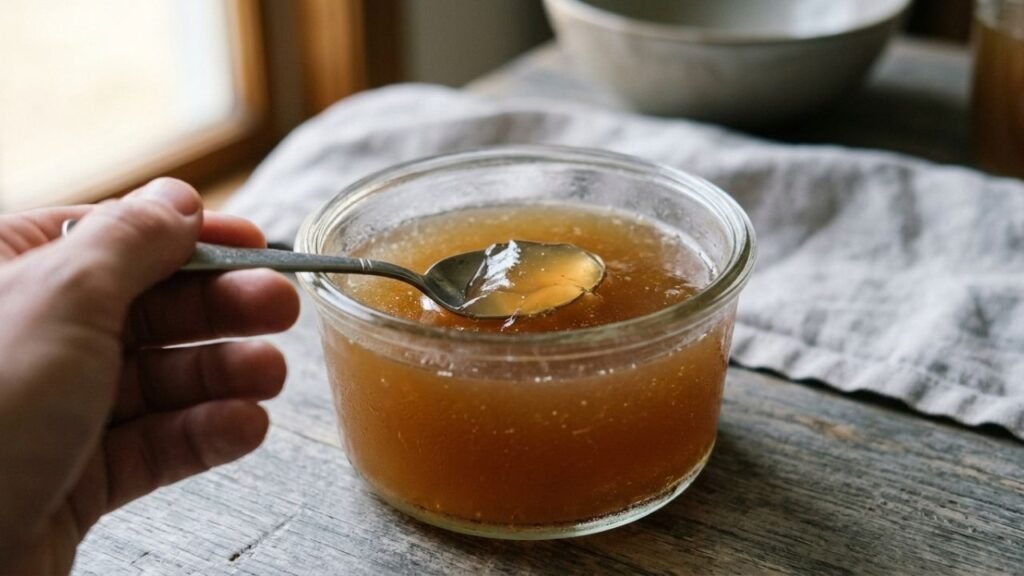
3. Gelatin is a texture clue, not a quality certificate
One recognizable feature of bone broth is what happens when it gets cold. A good amount of gelatin can make chilled broth wobble or become surprisingly firm. Warm it again and it returns to liquid.
But gelatin should not be treated as a certificate of quality or proof of extraordinary health benefits. Two batches can set differently while both being perfectly good broths.
Think of gelatin primarily as a culinary result. It gives broth weight, silkiness and a fuller mouthfeel.
4. More hours can give you less than you expect
There is a strange competition around bone broth in which cooking time can feel like a measure of dedication. Eight hours sounds serious. Twelve sounds better. Twenty-four sounds almost ceremonial.
But the clock is not the only thing changing inside the pot. As the broth cooks, connective tissue breaks down, flavors move into the water and the liquid becomes more concentrated.
Eventually, however, more time does not guarantee a better result. If the broth already has the texture and flavor you want, another long stretch may add little.
Very long cooking times can also create the illusion that mistakes will eventually correct themselves.
They usually do not.
If the balance is wrong, the answer may be concentration, stronger flavor or simply a better proportion of bones to water. Knowing when the broth has reached its useful point is more valuable than leaving a pot running all night.
5. The quiet work after cooking changes the final result
The broth’s story does not end when the bones have given up their flavor. Straining, cooling, separating excess fat and deciding how concentrated you want the liquid to be can change how it behaves later. For general guidance on handling and cooling cooked foods safely, see the USDA Food Safety and Inspection Service’s Leftovers and Food Safety guide. A broth that seems disappointing when freshly strained may become much more useful after some excess water is removed.
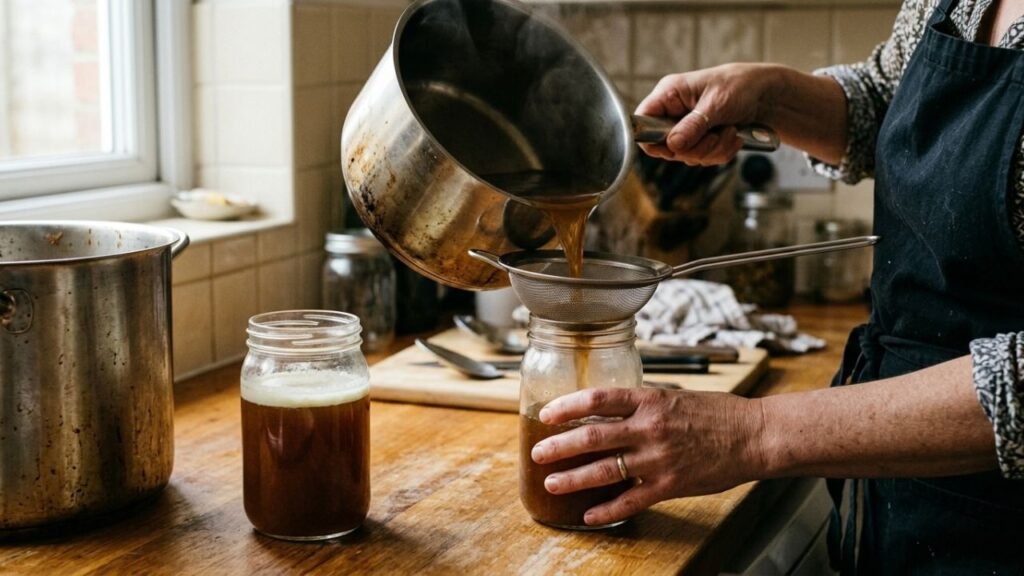
Salt also deserves restraint. If the broth will be reduced, seasoning too aggressively at the beginning can make the finished liquid difficult to use.
When chilled, the fat usually rises and solidifies on the surface. Remove it for a cleaner broth or keep some for richness. The choice depends on how you plan to use the broth.
The important thing is recognizing that the final texture and concentration are decisions, not accidents.
Small adjustments that make a noticeable difference
Start with a purpose
Decide what you want the broth to do. A concentrated broth for sauces needs more intensity than a light broth intended for soup. A broth for drinking may need a different balance from one used with noodles, vegetables or meat.
Watch the water level
Too much water can make even good bones seem disappointing by spreading their flavor across a larger volume. The bones need enough water to release what they have without disappearing into an oversized pot.
Keep the heat under control
A quiet simmer is easier to manage than an aggressive boil.Hard boiling can make the liquid cloudy and disperse fat and particles throughout it. That may not ruin the broth, but it changes its character. The goal is steady extraction, not dramatic bubbling.
Taste before judging
A broth straight from the pot can be deceptive because heat affects how you perceive flavor. Taste it after straining and again once it has cooled slightly. If it tastes weak, ask whether it genuinely lacks flavor or simply needs concentration. If it tastes heavy, consider the amount of fat before deciding it needs more cooking. Learning to diagnose the problem is more useful than following a fixed cooking time.
Treat leftovers as an ingredient
A strong homemade broth does not have to become soup. It can form the base of a sauce, enrich a stew, loosen a pan of cooked meat, or add depth to grains and vegetables. Its value is in having a concentrated building block ready when ordinary water would leave a dish tasting flat.
A few things worth knowing
1. Why does my bone broth stay liquid after chilling?
The finished broth may not contain enough gelatin relative to its liquid volume, or it may simply need more concentration. It can still be perfectly usable.
2. Why does my broth taste weak?
Too much water is one possibility, but the bones, meaty material and final concentration also matter. Reducing the broth can intensify its existing flavor.
3. Should bone broth always be very dark?
No. Color depends on how the bones and other ingredients are treated. A lighter broth can still have plenty of flavor and body.
4. Is the fat on top a problem?
Not necessarily. It is a natural part of the broth. Remove it for a cleaner result or keep it for more richness.
5. Why does my broth become jelly-like in the refrigerator?
That usually means gelatin has formed and the broth has concentrated enough for it to become visible when cold. Once reheated, it returns to liquid.
6. Is longer cooking always better?
No. Cooking time is only one variable. Bone type, water level, heat and concentration all matter. Once the broth has reached the character you want, more time may not improve it.
7. Can I use different types of beef bones together?
Yes. Different bones can create a more balanced result because marrow, connective tissue and meaty bones each contribute something different.
The useful way to think about bone broth
The appeal of beef bone broth is not simply that it can turn overlooked bones into something useful. It is the way a few basic elements can create a broth with depth, body and surprising versatility. Once you understand what different bones contribute and what changes as the broth cooks, the process becomes easier to read. You stop judging it by cooking time or darkness alone and start paying attention to flavor, texture and concentration.
Good bone broth is less about following a ritual and more about noticing what is happening in the pot. Small decisions can change the final result more than another few hours of cooking. Once you know what to look for, the process feels less mysterious, and a simple pot of broth becomes much easier to judge.